Water pooling on your driveway is more than just a nuisance; it can actually cause some real problems for your property. If left unchecked, standing water can lead to cracked concrete, damage your home’s foundation, and generally make things look a bit of a mess. Thankfully, there are plenty of driveway drainage solutions out there that can sort this out. Let’s have a look at what’s available to stop that water from causing trouble.
Key Takeaways
- Water pooling on driveways can cause concrete to break down, leading to cracks and potholes, and can also weaken your home’s foundation.
- Effective driveway drainage solutions prevent surface erosion, protect your home’s foundation from water damage, and can even add value to your property.
- Common driveway drainage solutions include channel drains for redirection, French drains for absorption, catch basins for large volumes, and permeable pavers for natural seepage.
- When choosing a solution, consider your driveway’s slope, the amount of water you expect, and where the water needs to go, and don’t be afraid to get professional advice.
- While traditional methods like grading and basic drains can work, newer options like permeable pavers often require less maintenance and offer long-term benefits.
Understanding Driveway Drainage Problems
Right, so you’ve got that annoying puddle that just won’t shift from your driveway, or maybe water seems to be pooling a bit too close to the house. It’s more than just a bit of a nuisance, you know. This standing water can actually cause some pretty serious issues if you leave it unchecked. It’s not just about the driveway itself; it’s about protecting your whole property.
Concrete Erosion and Cracking
Driveways, whether they’re concrete, asphalt, or even block paving, aren’t designed to sit in water. Unlike soil, they don’t soak it up. When water sits there, especially if it freezes and thaws, it starts to break down the surface. You might notice little bits of grit washing away, or perhaps the edges start to crumble. Over time, this leads to those unsightly cracks and even potholes that make driving over it a bit of a bumpy ride. It’s a slow process, but it definitely weakens the structure.
Foundation Weakening and Damage
This is where things can get really worrying. If your driveway slopes towards your house, or if water can’t escape, it’s going to find its way to your home’s foundation. That constant dampness can start to erode the soil beneath the foundation, making it unstable. Worse still, water can seep into the foundation walls themselves, leading to damp issues inside your home, mould growth, and potentially very expensive structural repairs. It’s like a slow leak that can cause big problems down the line.
Structural Integrity Risks
Beyond the foundation, that persistent moisture can affect other parts of your home too. Water can creep under your driveway’s edges and saturate the ground next to your house. This can lead to issues with your home’s lower walls or even wooden structures if they’re close enough. Think about damp patches appearing on exterior walls or rot setting in where you can’t easily see it. It really compromises the overall health of your property.
The key takeaway here is that water on your driveway isn’t just an aesthetic problem. It’s a symptom of a drainage issue that, if ignored, can lead to significant and costly damage to your driveway, your home’s foundation, and its overall structure. Addressing it early is always the best approach.
Here’s a quick look at how different factors contribute:
- Improper Grading: Driveways that don’t have a sufficient slope away from the house are prime candidates for water pooling.
- Blocked Drainage: Overgrown gutters, clogged drains, or even poorly placed landscaping can all redirect water where it shouldn’t go.
- Poor Installation: Sometimes, the initial build wasn’t quite right, leading to low spots or inadequate runoff from the start.
- Soil Type: Clay-heavy soils, for instance, don’t drain well, making the problem worse if water does collect.
Benefits of Effective Driveway Drainage Solutions

So, why bother with all the fuss about driveway drainage? Well, it turns out that getting water to move away from your driveway and home is a pretty big deal. Ignoring standing water is a recipe for a whole host of problems down the line. It’s not just about a soggy patch; it’s about protecting your investment.
Preventing Surface Erosion
When water sits on your driveway, it doesn’t just sit there doing nothing. It starts to work away at the surface, bit by bit. This gradual wear can lead to small cracks, which then get bigger, and before you know it, you’ve got potholes. A good drainage system acts like a traffic controller for water, directing it away before it can do any damage. This keeps your driveway looking good and stops it from breaking down prematurely. It’s all about preserving the integrity of the surface you drive on every day.
Protecting Your Home’s Foundation
This is a big one. Water doesn’t just affect the driveway itself; it can also cause serious trouble for your house’s foundation. If water can’t drain away properly, it can seep into the ground right next to your home. Over time, this moisture can weaken the foundation, leading to cracks and structural issues. Think of it like a leaky tap slowly damaging a sink – it might not seem like much at first, but the long-term effects can be costly. Proper drainage diverts this water, acting as a shield for your home’s most important structural element.
Enhancing Property Value
Let’s be honest, nobody wants to buy a house that looks like it’s constantly battling a flood. A driveway that’s free of standing water and shows no signs of water damage is a definite plus for potential buyers. It suggests that the property has been well looked after. Effective drainage solutions aren’t just practical; they can actually make your home more attractive on the market and potentially increase its overall value. It’s a smart move for the present and the future, much like considering quality fencing and decking for your garden.
Water pooling around your property isn’t just an eyesore; it can lead to expensive repairs for your driveway, foundation, and even landscaping. Taking steps to manage water flow proactively saves money and hassle in the long run.
Exploring Top Driveway Drainage Solutions

Right then, so we’ve talked about why water on your driveway is a bit of a nightmare. Now, let’s get stuck into some of the actual ways you can sort it out. There are a few common methods people use, and each has its own strengths. Choosing the right one really depends on your specific driveway and how much water you’re dealing with.
Channel Drains for Water Redirection
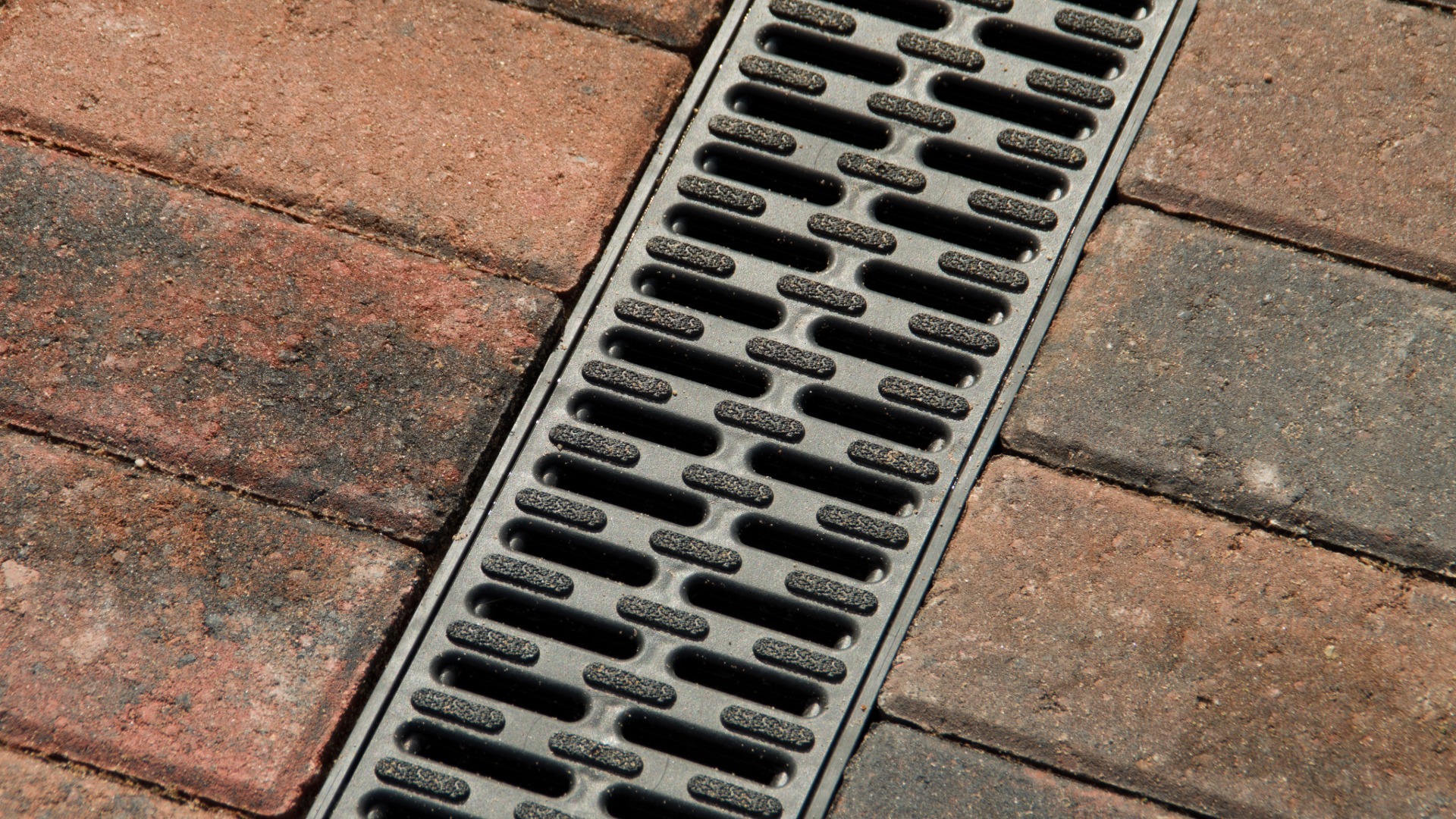
Think of channel drains, or trench drains as they’re sometimes called, as long, skinny gutters for your driveway. They’re brilliant for driveways that have a bit of a slope, especially if that slope is directing water towards your house or garage. You install them right into the driveway surface, usually in a line, so they can catch water as it runs off and send it somewhere else. They’re pretty effective at grabbing a lot of water quickly, which is handy if you get heavy downpours.
- How they work: Water flows into the channel through a grate and is then piped away to a drain or soakaway.
- Best for: Driveways with a noticeable slope, areas prone to surface water pooling.
- Materials: Often made from concrete, plastic, or metal, so they can handle cars driving over them.
French Drains for Subsurface Absorption
French drains are a bit more subtle. Instead of just catching surface water, they’re designed to deal with water that’s already soaked into the ground or is starting to pool around the edges. You dig a trench, put in a perforated pipe wrapped in a special fabric, and then fill it with gravel. The idea is that water seeps through the gravel, into the pipe, and then is slowly released into the ground further away, or directed to a lower spot. They’re great if you’ve got soggy patches near your driveway that are affecting your lawn or flowerbeds.
- Installation: Involves digging a trench, laying a perforated pipe, and covering with gravel.
- Purpose: To absorb and redirect groundwater, preventing saturation.
- Ideal for: Areas where water pools at the sides, or where the ground stays wet.
Catch Basins for Large Volume Collection
If you’ve got a really big driveway or an area where a huge amount of water tends to gather, a catch basin might be the way to go. These are basically underground boxes with grates on top. They’re designed to collect a significant amount of water and then channel it away through pipes. They’re often used in conjunction with other drainage systems, like channel drains, to handle overflow or in low-lying areas where water naturally collects.
- Function: Collects and stores water before it’s piped away.
- Placement: Typically installed in low spots or areas with significant water accumulation.
- Capacity: Can handle larger volumes of water compared to simple grates.
Permeable Pavers for Natural Seepage
This is a more modern approach. Permeable pavers look like regular paving stones, but they’re designed with tiny gaps between them. These gaps let water soak straight through into the ground underneath, rather than running off the surface. It’s a bit like having a driveway that’s also a giant sieve. This is a really good option if you want to reduce surface runoff and let nature do some of the work. It’s a more environmentally friendly way to manage water right where it falls.
Permeable paving systems allow rainwater to pass through the surface and into the ground below. This helps to reduce the amount of surface water that needs to be managed by traditional drainage systems, and it can also help to recharge groundwater levels.
- Benefit: Allows water to seep into the ground naturally.
- Appearance: Can mimic the look of traditional driveways.
- Effectiveness: Reduces surface runoff and helps prevent pooling.
Key Considerations for Choosing a Solution
Right then, so you’ve got water issues on your driveway. Before you go picking the first drain you see, it’s worth having a think about a few things. It’s not a one-size-fits-all situation, you know. Getting it wrong can mean you’re back to square one, or worse, you’ve spent money on something that just doesn’t cut it.
Assessing Driveway Slope and Gradient
First off, have a good look at how your driveway slopes. Does it naturally fall away from your house, or is it flatter than a pancake? A decent slope is your best mate when it comes to drainage, as it helps water run off on its own. If it’s pretty flat, or worse, slopes towards your house, you’ll need a more active solution. Sometimes, just a bit of regrading can sort out minor issues, but for bigger problems, you’ll need to factor this into your drain choice. You can’t just ignore the natural lay of the land, can you?
Estimating Water Volume and Flow
Next up, how much water are we talking about? Is it just a bit of drizzle that pools, or do you get proper rivers running down your driveway after a downpour? This is where you need to be realistic. A small channel drain might be fine for light rain, but if you’re dealing with flash floods, you’ll need something more substantial, like a catch basin system. Think about the worst-case scenario – a really heavy storm. It’s better to have a system that’s a bit overkill than one that’s completely swamped.
Identifying Drainage Destination Points
So, where’s all this water going to end up? You can’t just drain it onto your neighbour’s property or straight into a spot that causes more problems. You need a designated spot, a ‘safe zone’, away from your house foundations, garages, or any other structures. This might be a soakaway, a public drain (if permitted), or a lower part of your garden that can handle the extra water. Planning this out is pretty important, and sometimes you might need a bit of groundwork done to get the area ready, like what J Cole Building Services can help with.
The Value of Professional Consultation
Look, I know we all like to think we can sort things out ourselves. And for some simple jobs, maybe you can. But when it comes to drainage, especially if you’re not sure about the slope, the water volume, or where to send it, it’s often worth getting a professional opinion. They’ve seen it all before and can spot issues you might miss. They can also advise on the best type of system for your specific needs, saving you time and money in the long run. It’s not just about sticking a drain in; it’s about making sure it works properly and lasts.
Evaluating Traditional Drainage Methods
When you’re looking at how to sort out water on your driveway, it’s easy to think about the old-school ways. Things like grading, French drains, and channel drains have been around for ages, and for good reason. They can actually do a decent job if they’re put in correctly and you keep up with them.
Grading Techniques and Limitations
Grading is basically shaping the surface of your driveway so water naturally flows away from your house and doesn’t just sit there. It’s all about creating a gentle slope. When done right, it’s a simple way to guide water where you want it to go. However, it’s not always a permanent fix. Over time, things like soil shifting, erosion, or even just changes in your garden can mess with that perfect slope. This means you might need to get it re-done every so often, which can add up. It’s also tricky to get that slope just right in the first place, often needing a professional touch.
Maintenance Needs of French and Channel Drains
French drains and channel drains are popular for a reason. Channel drains sit on the surface to catch water, while French drains work underground to soak it up. Both are pretty good at moving water away from problem spots. But here’s the catch: they need regular attention. Leaves, dirt, roots, and other bits can easily clog them up. If they get blocked, water can start pooling again, and fixing them can be a bit of a hassle, sometimes involving digging things up. It’s a bit like having a drain in your sink – if you don’t clear out the hair, it’ll eventually back up.
Here’s a quick look at what they involve:
- Channel Drains: Sit on the surface, collecting water. Need regular sweeping and occasional deeper cleaning.
- French Drains: Underground trenches with pipes. Require periodic checks for blockages, especially near tree roots.
- Catch Basins: Larger collection points. Need their grates cleared and the basin itself emptied periodically.
While these methods have been relied upon for years, their effectiveness can diminish without consistent upkeep. Homeowners often find themselves spending more time and money on maintenance than they initially anticipated, leading them to seek out more ‘set-and-forget’ solutions for their driveway drainage needs.
Choosing the right driveway contractor is important for any of these solutions, especially if you’re looking at something like block paving or resin driveways where the drainage needs to integrate well with the surface J Cole Building Services. Getting the initial installation spot on is key to minimising future maintenance headaches.
Advanced Driveway Drainage Solutions
The Advantages of Permeable Pavers
So, you’ve got water issues on your driveway, and you’re looking for something a bit more modern than just a ditch, right? Permeable pavers are a really smart way to go. Instead of just letting water run off, these special pavers have tiny gaps between them. This means water can actually soak right through them and into the ground below. It’s like giving your driveway a built-in sponge. This is brilliant for reducing surface water and stopping those annoying puddles from forming. Plus, they look pretty good too, adding a bit of style to your property. They’re a great option if you’re thinking about the long term and want something that’s both functional and looks nice. You can find out more about different landscaping options from J Cole Building Services.
Slot Drains for Discreet Water Management
If you’re after a drainage solution that’s effective but doesn’t shout about it, slot drains are the way to go. These are long, narrow channels, often just a thin slit, that sit almost flush with your driveway surface. They’re designed to be really unobtrusive, so you barely notice they’re there. Water gets directed into this narrow opening and then whisked away. They’re particularly good for driveways that don’t have a lot of slope, or where you want to keep the look of the driveway clean and uncluttered. They’re a bit more of a sophisticated approach to managing water runoff, especially if you’re concerned about the aesthetics of your property. They can handle a decent amount of water, making them a practical choice for many homes.
When considering advanced drainage, think about how the system integrates with your existing landscape. The goal is to manage water effectively without creating new problems or looking out of place. Permeable pavers and slot drains offer modern solutions that blend function with form, helping to protect your property while maintaining its visual appeal.
Here’s a quick look at what makes these advanced options stand out:
- Permeable Pavers:
- Allow water to seep through, reducing runoff.
- Help recharge groundwater.
- Can improve air quality by reducing heat absorption.
- Slot Drains:
- Offer a discreet and minimalist appearance.
- Efficiently capture surface water.
- Ideal for driveways with limited slope or aesthetic concerns.
Choosing the right advanced solution often comes down to your specific property needs and what you want the final look to be. It’s about finding that balance between practical water management and the overall appearance of your home. For more information on professional installation and high-quality execution of drainage systems, consider looking into drainage specialists.
Dealing with water on your driveway can be a real headache, but there are smart ways to sort it out. We’re talking about advanced methods that keep your property dry and safe. Want to see how we can help you tackle driveway drainage issues? Visit our website today to learn more and get a free quote!
Wrapping Up Your Driveway Drainage
So, there you have it. Standing water on your driveway isn’t just a bit of a nuisance; it can really cause some damage over time, from cracking the surface to messing with your home’s foundations. We’ve looked at a few ways to sort it out, like channel drains, French drains, and even permeable pavers. Picking the right one depends on your specific situation, like how your driveway slopes and how much rain you get. But the main thing is, don’t just leave it. Getting a good drainage system in place now can save you a lot of hassle and money down the line, keeping your property looking good and, more importantly, keeping it sound.
Frequently Asked Questions
Why is water pooling on my driveway a problem?
Water that sits on your driveway can slowly break down the surface, causing cracks and holes. It can also seep into your home’s foundation, weakening it and potentially leading to costly repairs. Plus, it can make the driveway slippery and be a home for pests.
What are channel drains and how do they work?
Channel drains, also called trench drains, are long, narrow drains installed across the driveway. They catch water as it flows and send it away through pipes, stopping it from pooling up.
How do French drains help with driveway water?
French drains are trenches filled with gravel and a pipe that has holes. They are placed underground to collect water that soaks into the ground and slowly drain it away from the driveway and your home’s foundation.
Are permeable pavers a good option for driveway drainage?
Yes, permeable pavers are a great choice. They are designed to let water soak through them and into the ground below, which greatly reduces water runoff and pooling on the surface. They also look good and are quite durable.
What should I consider when picking a drainage solution?
You should think about how steep your driveway is, how much water you expect to deal with, and where the water will go once it’s drained. It’s also a good idea to talk to a professional to make sure you choose the best system for your specific needs.
Do traditional methods like grading and French drains still work?
Yes, traditional methods like grading and French drains can still be effective, but they often require more regular upkeep and can sometimes be tricky to maintain. Newer solutions like permeable pavers or slot drains are often easier to manage and can be more long-lasting.